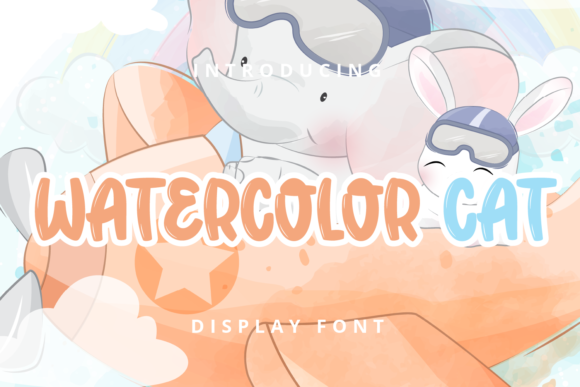
Watercolor Cat Font for Web Design
The Watercolor Cat font brings a unique blend of whimsy and elegance to digital projects. As a display font, it stands out with its soft, hand-drawn characteristics that evoke creativity and playfulness. This typeface is ideal for designers looking to add personality to their websites, landing pages, or branding materials without sacrificing readability.
With its gentle curves and fluid strokes, Watercolor Cat feels organic and approachable. It works well in environments where a touch of charm can enhance the user experience, such as creative portfolios, boutique online stores, or lifestyle websites. Its visual style supports a warm and inviting tone, which can be especially effective in conversion-focused layouts.
Using Watercolor Cat in Website Headers and Hero Sections
In hero sections, the Watercolor Cat font can serve as a strong visual anchor. It adds character to headlines while maintaining enough clarity for quick scanning. When paired with a clean sans serif font for body text, it creates a balanced hierarchy that guides the reader’s eye naturally through the content.
For example, on a coaching website, using Watercolor Cat for the main headline can immediately set the brand's tone. The font's playful nature aligns well with personal development themes, making the site feel more relatable and engaging.
Applying Watercolor Cat to Call-to-Action Areas
Call-to-action (CTA) buttons often benefit from bold and attention-grabbing typography. While Watercolor Cat may not be the best choice for small buttons due to its decorative nature, it can be used effectively for larger CTAs or banners. Its distinctiveness helps draw attention without overwhelming the design.
Consider using Watercolor Cat in a banner above a product landing page. The font’s whimsical look can complement a brand that values creativity and innovation, encouraging users to explore further.
Readability and Responsiveness with Watercolor Cat
While Watercolor Cat excels in display roles, it's important to ensure that it remains legible across different screen sizes. On mobile devices, smaller text may lose some of its charm, so it's best reserved for headings rather than body copy. For responsive layouts, consider using it sparingly and testing how it appears at various resolutions.
When applied to dark backgrounds, Watercolor Cat maintains good contrast, but light backgrounds may require additional styling to prevent the text from blending in. Using subtle drop shadows or outlines can help maintain visibility without compromising the font’s aesthetic appeal.
Font Pairing for Brand Consistency
To create a cohesive visual identity, pairing Watercolor Cat with complementary fonts is essential. A modern sans serif like Helvetica or Arial can provide a solid foundation for body text, ensuring that the overall layout remains professional yet expressive.
For editorial-style sites, combining Watercolor Cat with a serif font like Georgia or Times New Roman can give the design a more traditional feel. This combination works well for blogs or digital magazines that aim to convey depth and authority.
Practical Applications of Watercolor Cat
Portfolio Sites: Use Watercolor Cat for section headers or project titles to highlight your creative work. Its unique appearance can make your portfolio stand out in a sea of standard designs.
Boutique Online Stores: Incorporate the font into product banners or promotional graphics to create a sense of exclusivity and individuality. It pairs well with minimalist layouts, adding just the right amount of character.
Coaching Websites: Apply Watercolor Cat to headline sections or testimonials to foster a friendly and supportive atmosphere. It reinforces the idea of a mentor who is both knowledgeable and personable.
Digital Ads: Use the font in short, impactful phrases within ad creatives. Its whimsical style can capture attention quickly, making it an excellent choice for social media campaigns targeting creative audiences.
Commercial Licensing and Font Files
Before implementing Watercolor Cat on client projects or commercial websites, ensure that you have the appropriate licensing. Many display fonts require specific permissions for use in online stores, landing pages, or brand assets. Always check the font provider’s guidelines to avoid any legal issues.
Look for webfont availability if you plan to use it across multiple platforms. Some fonts offer full support for various file formats, including WOFF, TTF, and EOT, which are essential for cross-browser compatibility.
Additionally, verify if the font includes alternate characters, weights, or multilingual support—these features can expand its versatility for global brands or multi-language websites.
Creating a Cohesive Brand Identity
Typography plays a crucial role in shaping a brand’s identity. Watercolor Cat contributes to this by reinforcing a brand’s personality through its visual language. Whether you're designing a new logo or updating a digital storefront, the font can subtly influence how users perceive your brand.
Consistency is key. Once you choose Watercolor Cat as part of your brand’s typographic system, apply it consistently across all touchpoints—website headers, email signatures, social media posts, and marketing materials. This repetition builds recognition and strengthens brand recall.
Remember, the goal is to strike a balance between creativity and usability. Watercolor Cat should enhance—not detract from—the overall user experience. By thoughtfully integrating it into your design system, you can elevate your digital presence while staying true to your brand’s voice and values.